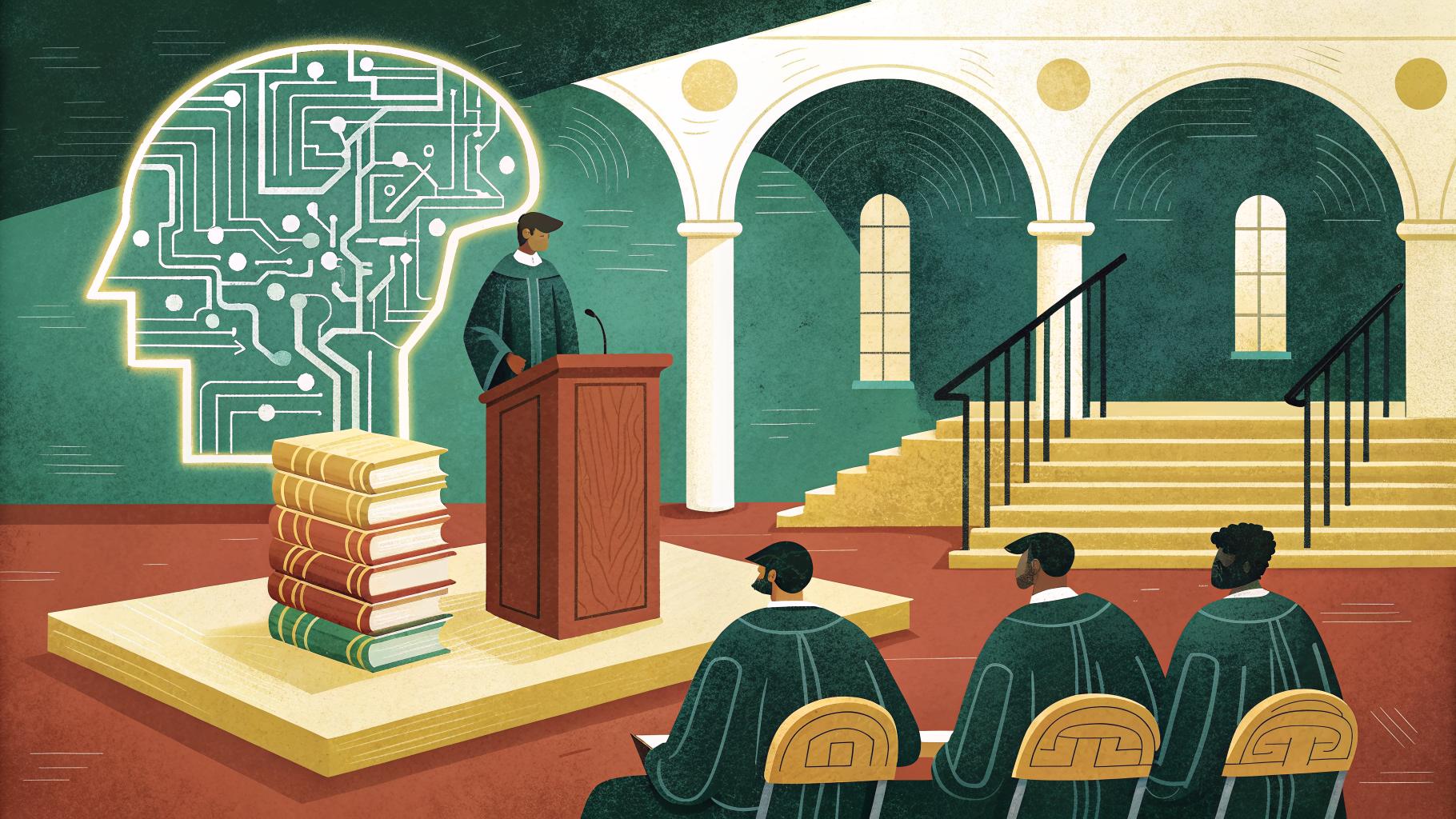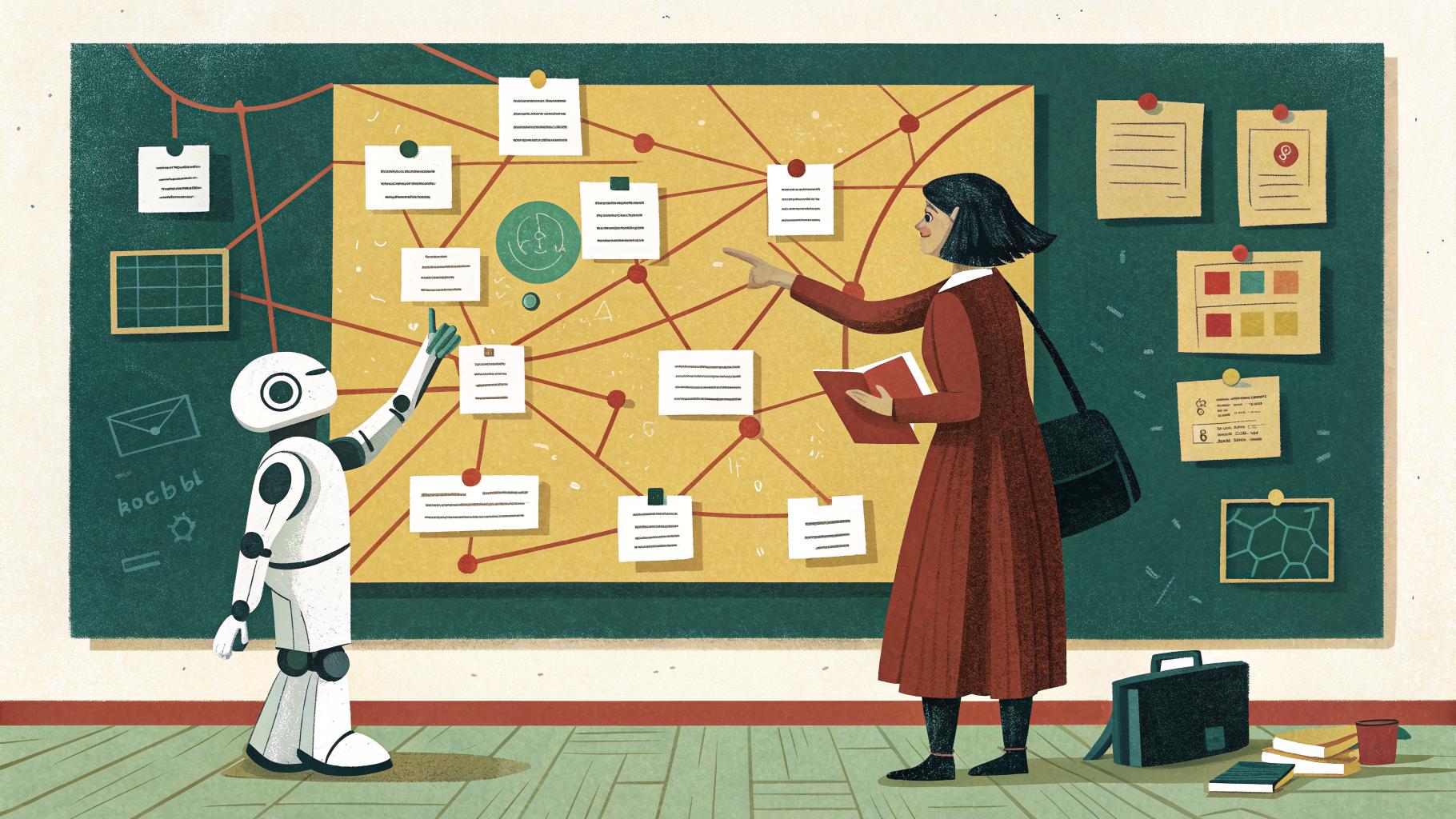
The study asks whether generative AI can take on curriculum mapping, the task of linking professional skills to the assessments in a degree program as part of professional accreditation. The authors note that mapping by hand is slow and open to bias, and that earlier machine learning models such as BERT, while helpful, depend on extensive training data and miss differences in how skills relate to each other and the context of the curriculum. To test an alternative, the researchers tried several prompting methods with GPT-based models. The models produced mappings that go beyond a yes-or-no link, guided by Messick's framework for judging validity. The team compared these mappings with ones made by experts and checked whether the reasoning behind each mapping could be validated, looking at accuracy and interpretability together.
- The GPT-based models gave reliable mappings for skills stated explicitly in assessments.
- Results were also reliable for skills that appear frequently across the program.
- The models mapped implicit skills less reliably.
- Expert oversight was still needed to arrive at mappings that could be trusted.
The authors conclude that generative AI can support curriculum mapping when experts stay involved, and they see potential for wider use in educational quality assurance. The weaker performance on implicit skills is the main limit the abstract reports, and it's the reason the authors keep human review in the process.