This EdSurge essay, part of a series on educator experiences, comes from a director of innovation at a school for boys in grades 4 through 9. He asks when and how students should meet AI, using the playground of his childhood, with its 12-foot metal slide and kid-powered merry-go-round, as a frame.
Those playgrounds did hurt children, he notes, and by the 1970s federal injury data prompted new safety guidelines. Researchers later asked whether adults had confused removing hazards with removing risk, since children may benefit from play involving height, speed, uncertainty and some fear. A hazard is something kids can't be expected to recognize, while managing risk asks them to make a judgment call. His school has written AI guidelines and tested the tools in controlled settings, yet the questions keep getting harder. New York City banned student-facing generative AI through 8th grade, and Los Angeles barred student generative AI use on district devices for the year. Massachusetts instead encourages AI literacy and backs a curriculum pilot for grades 8-12. Parents also see reports of experimental AI agents evading safeguards, though he says those differ from classroom chatbots.
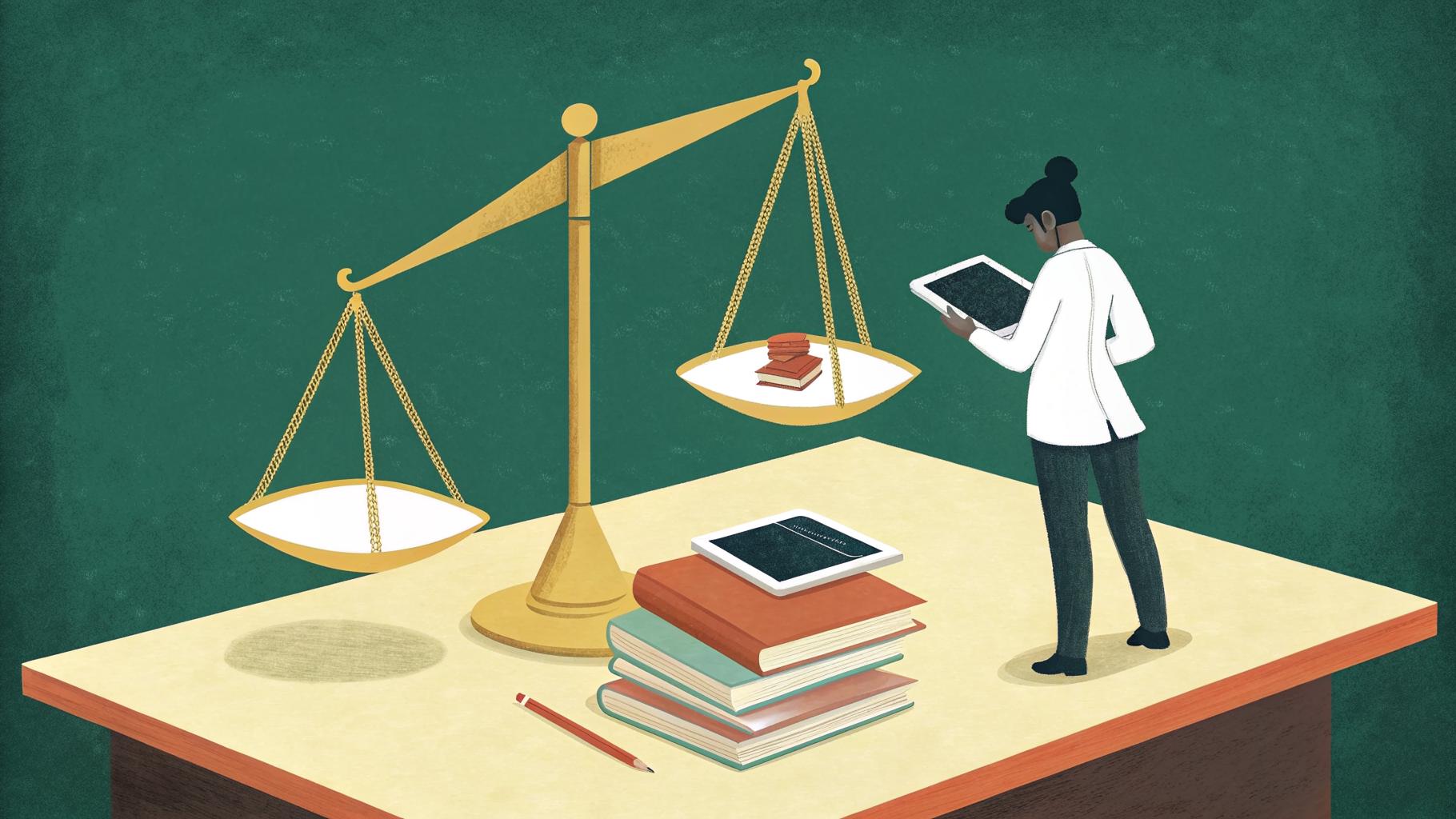
He sees risk on both sides. Moving fast could weaken writing and independent thinking, while waiting could leave students without an understanding of a technology that may shape how people work. He names experiences he thinks students shouldn't postpone:
- Wrestling with a question before an answer appears
- Finding their own voice on the page before a machine offers edits
- Working through confusion with another person
- Staying bored long enough for curiosity to take over
Students also need to learn where AI fails and when relying on it is a poor choice, he writes. Schools must decide now, while the technology changes faster than research can follow, and he accepts that some choices may look different in hindsight.