
Skip to content
Ideas for a more human education
Small figures place scattered, mismatched stepping stones beside a fast river flowing past a schoolhouse.
Illustration: Human Learning Review, made with AI. It does not depict real people or events.
Analysis · Policy & Ethics

Leading Through Uncertainty: State Approaches to AI in K–12 Education

Source: CRPE, . Summarized by Human Learning Review.

Summary

This CRPE report looks at how states are responding to AI in K-12 education, a technology that reached classrooms before state policy on its use and role did. It asks what state education agencies are doing and where their efforts fall short.

The evidence comes from survey responses and interviews with SEA staff and leaders of partner organizations, along with CRPE's State Early Adopter Database. Together these sources cover 39 states and territories and 18 partner organizations, which the authors describe as one of the fullest pictures so far of state approaches.

The central finding repeats what CRPE reported in earlier work. States are acting, but most of that action is ad hoc and fragmented, and it isn't keeping pace with change in classrooms and workplaces. According to the analysis, many states are doing the following:

  • setting a vision for AI in education
  • issuing guidance
  • creating advisory bodies
  • supporting AI literacy

Far fewer offer the operational support districts need to evaluate tools, manage procurement, build evidence, and scale promising practices responsibly. CRPE Director Robin Lake argues that 2026 demands decisive action and that AI belongs at the front of legislative agendas and policy decisions. The full report includes recommendations for state leaders and policymakers, which the available excerpt doesn't spell out.

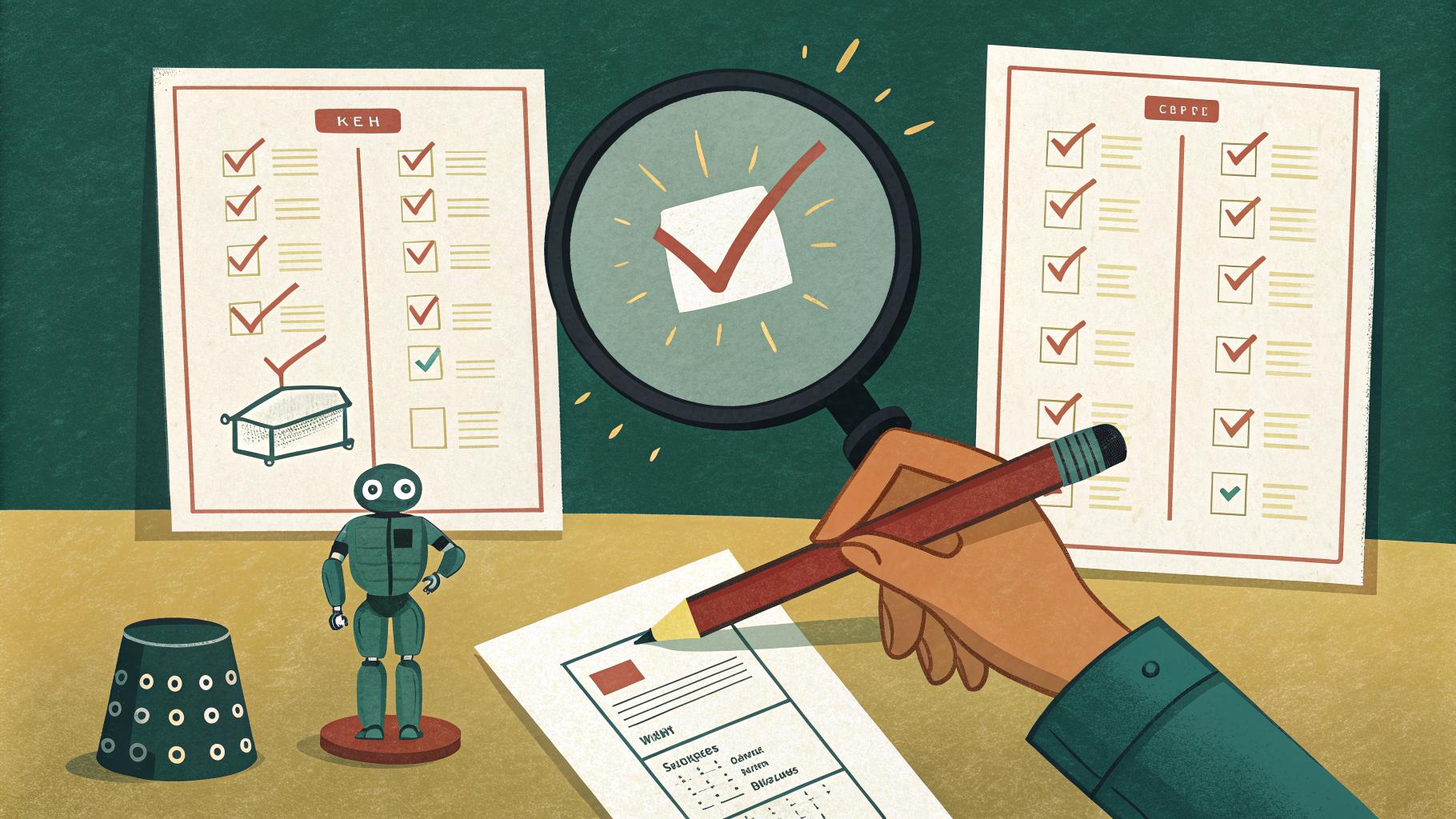
Main points

  • CRPE reports that AI arrived in K-12 classrooms before states had policies on its use, and that most state responses remain ad hoc and slow to keep pace.
  • The report draws on surveys and interviews with state education agency staff and partner leaders, plus CRPE's State Early Adopter Database, covering 39 states and territories and 18 partner organizations.
  • According to the analysis, many states are setting a vision, issuing guidance, forming advisory bodies, and backing AI literacy efforts.
  • Far fewer states, CRPE found, give districts operational help with evaluating tools, handling procurement, building evidence, and scaling promising practices responsibly.
  • CRPE Director Robin Lake argues that 2026 calls for decisive action and that AI should sit at the center of legislative agendas and policy decisions.

Where state AI efforts are concentrated

What many states do

  • Set a vision for AI in education
  • Issue guidance
  • Create advisory bodies
  • Support AI literacy

What fewer states do

  • Help districts evaluate AI tools
  • Support districts with procurement
  • Help build evidence
  • Scale promising practices responsibly
Data and findings: CRPE, “Leading Through Uncertainty: State Approaches to AI in K–12 Education.” Graphic: Human Learning Review.

This page is a short summary. The full piece belongs to CRPE.

Read the original at CRPE
A little room for reflection

A more considered
view of education.

Ideas worth sitting with. Practical questions worth asking. Human Learning Review, in your inbox.

Leading Through Uncertainty: State Approaches to AI in K–12 Education: summary and main points | Human Learning Review