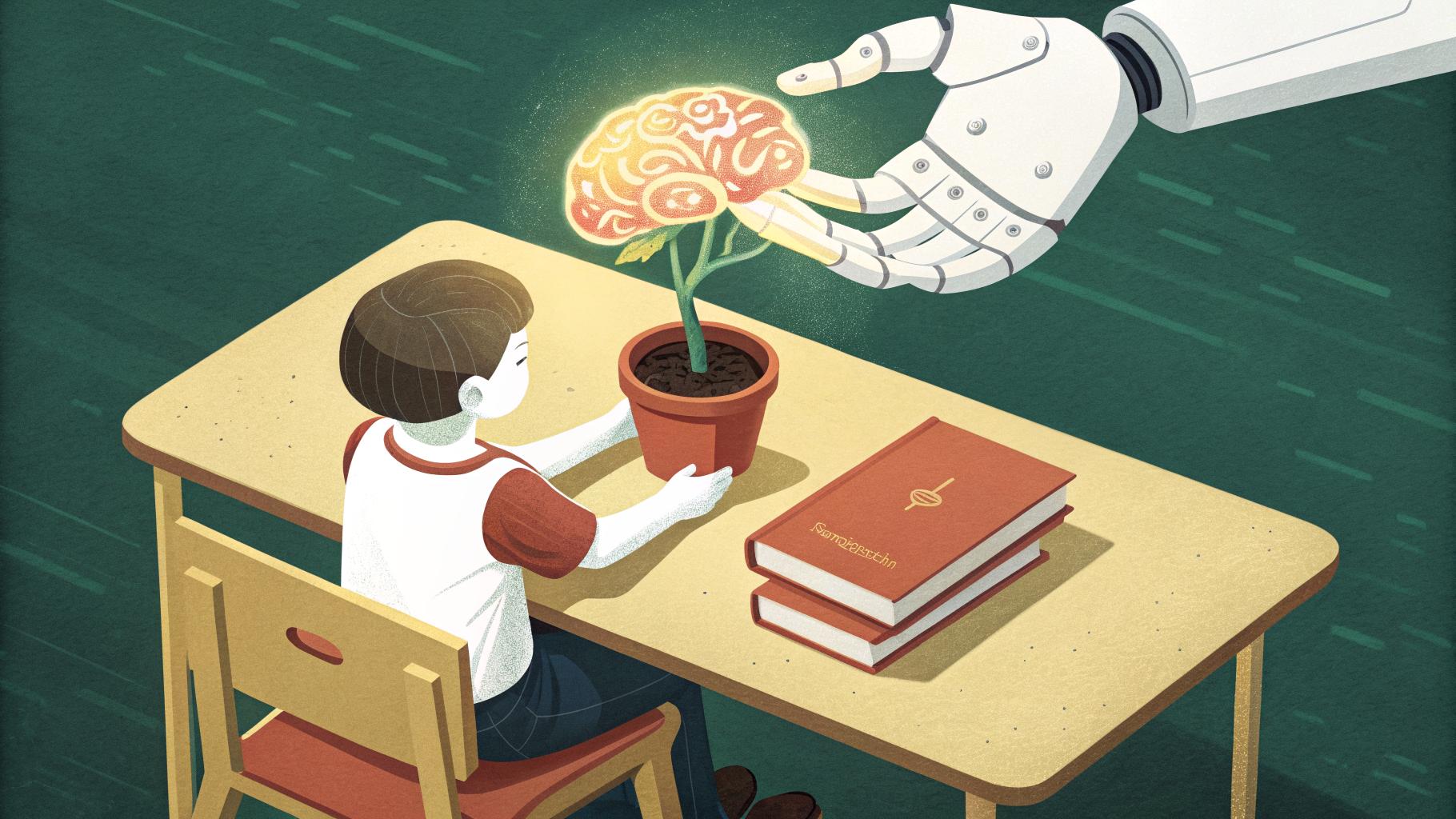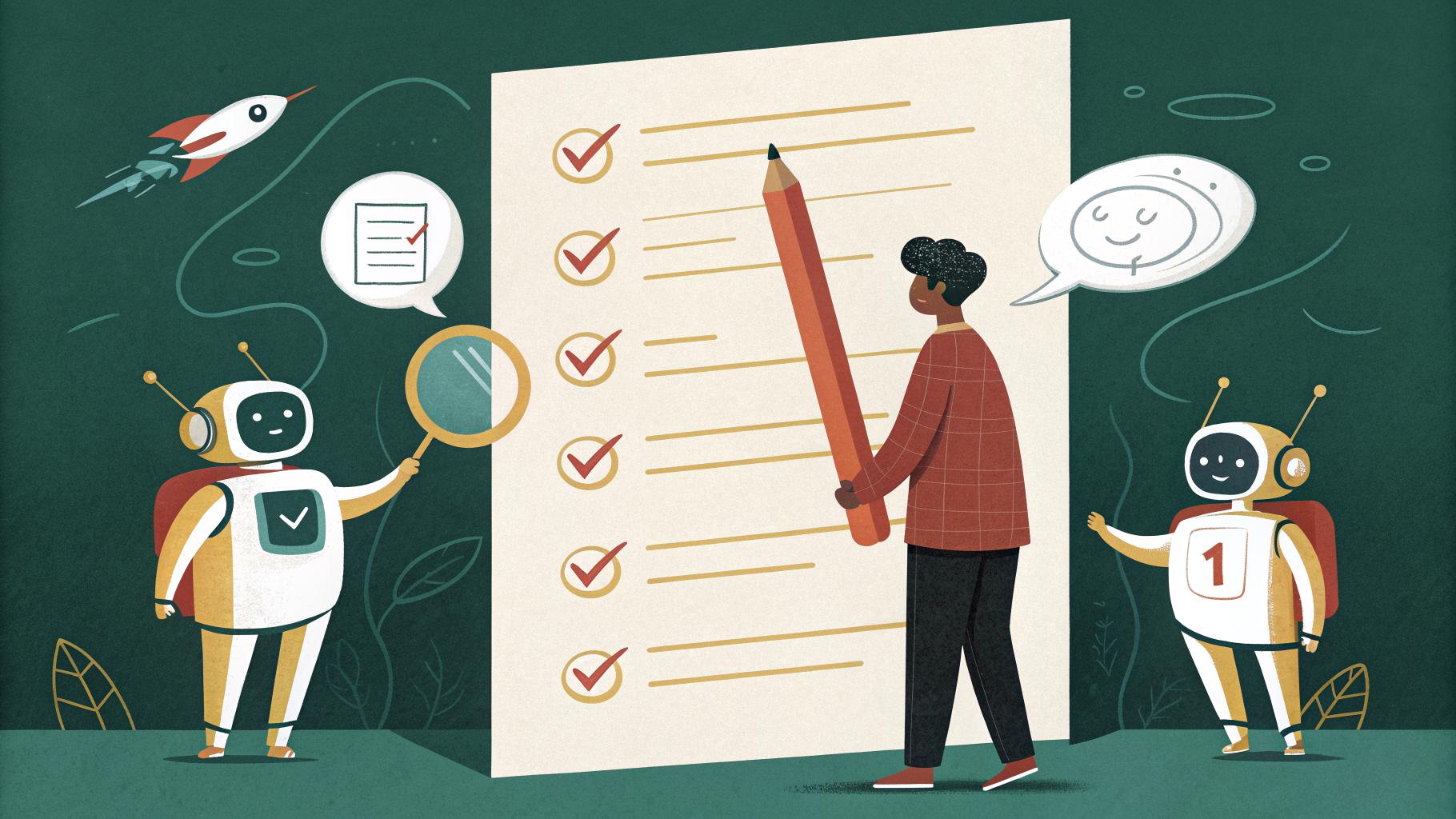
This paper proposes Agentivism, a new learning theory for a period in which generative and agentic AI can take on cognitive work for learners. It's a theoretical argument and reports no empirical results. The question it takes up is how learning stays possible when learners can hand off explanation, writing, problem solving and other mental work to systems that produce output and sometimes act on their behalf.
The paper's main claims are these:
- Learning theories have shifted in the past when the conditions of learning changed, and easy delegation to AI is such a change.
- With AI support, good performance can no longer be taken as evidence of learning, because learners may finish tasks well while gaining little understanding or judgment that carries over to new situations.
- Behaviourism, cognitivism, constructivism and connectivism still matter, the authors argue, but none of them directly explains when AI-assisted performance becomes lasting human capability.
- Agentivism defines learning as durable growth in human capability, built from selective delegation to AI, monitoring and verifying what the AI contributes, reconstructing AI-assisted outputs so they are internalized, and transfer when support is reduced.
- The theory produces 6 propositions that can be tested.
The authors conclude that Agentivism accounts for how learning can continue as interaction with AI becomes a persistent and expanding part of how people learn. For teachers, they suggest keeping opportunities for learners to exercise their own judgement. For researchers, they call for separating performance achieved with AI help from capability that lasts after that help is gone.