This EdSurge essay is a first-person account by a New York City teacher with 13 years in English and special education. It asks how schools should respond as generative AI takes on the thinking students most need to practice, and argues that educators should shift from preventing cognitive offloading to preserving critical thinking.
The author opens with 11th graders who stall on an analytical question about Kate Chopin, and with take-home work far more polished than what the same students produce by hand. The essay connects this to wider evidence: 2024 NAEP results showing 30% of eighth graders at Proficient in reading and one-third Below Basic, a 2024 Microsoft Research and Carnegie Mellon study linking heavier AI reliance with less critical evaluation among adult workers, faculty reports that incoming college students are less prepared, and a Brown economics professor whose class averaged nearly 96% on a take-home midterm and under 49% on a proctored final. The author says responsibility for preparing students rests with K-12 educators, and notes that many districts have expanded handwritten work and device limits while still teaching largely through laptops.
In the author's own classroom, the changes include:
- Students annotate, discuss, gather evidence and form a claim before opening a device.
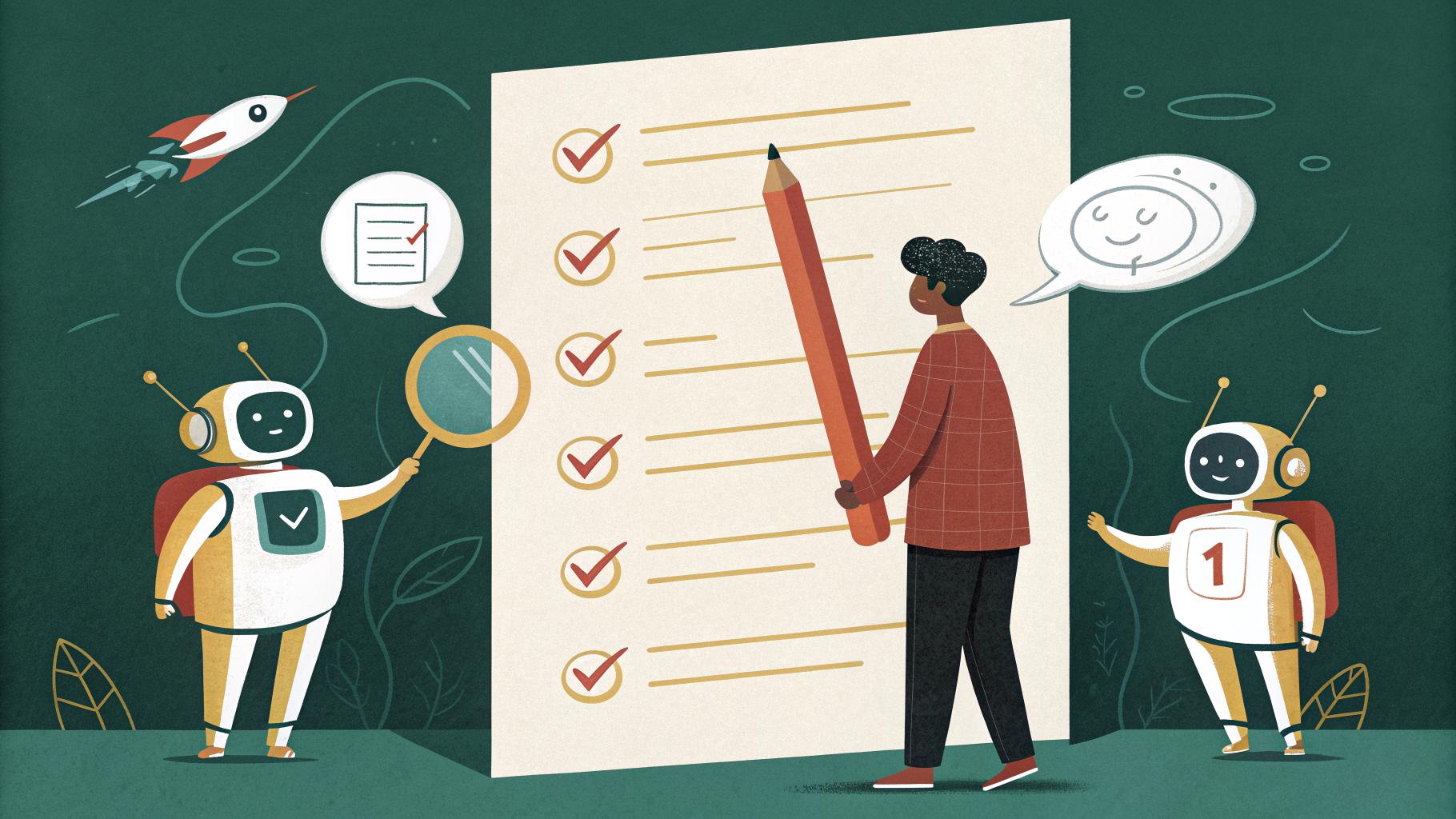
- AI then generates counterarguments or flags reasoning gaps, and students critique its answers against their own.
- Handwritten brainstorming, printed texts, device-free discussion and periodic device-free writing return as regular practice.
- Students learn about AI through digital citizenship, which the author extends to what she calls cognitive citizenship.
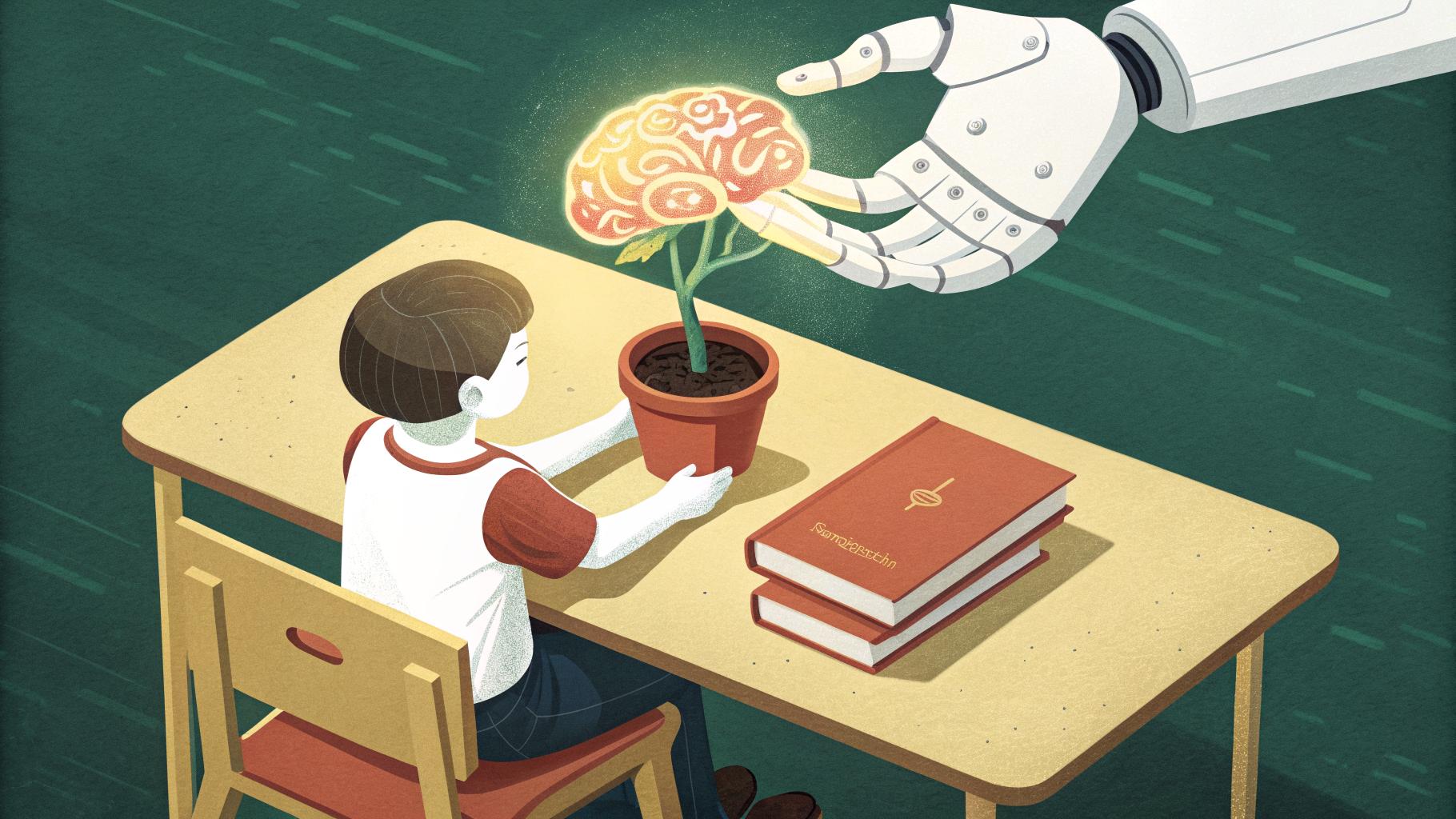
Students resisted at first, the author reports, but over time they defended their reasoning, revised more thoughtfully, self-assessed before turning to AI and began trusting their own thinking. The essay concludes that older practices such as annotation and productive struggle should be paired with AI so it supports human learning instead of replacing it.