Skip to content
Ideas for a more human education
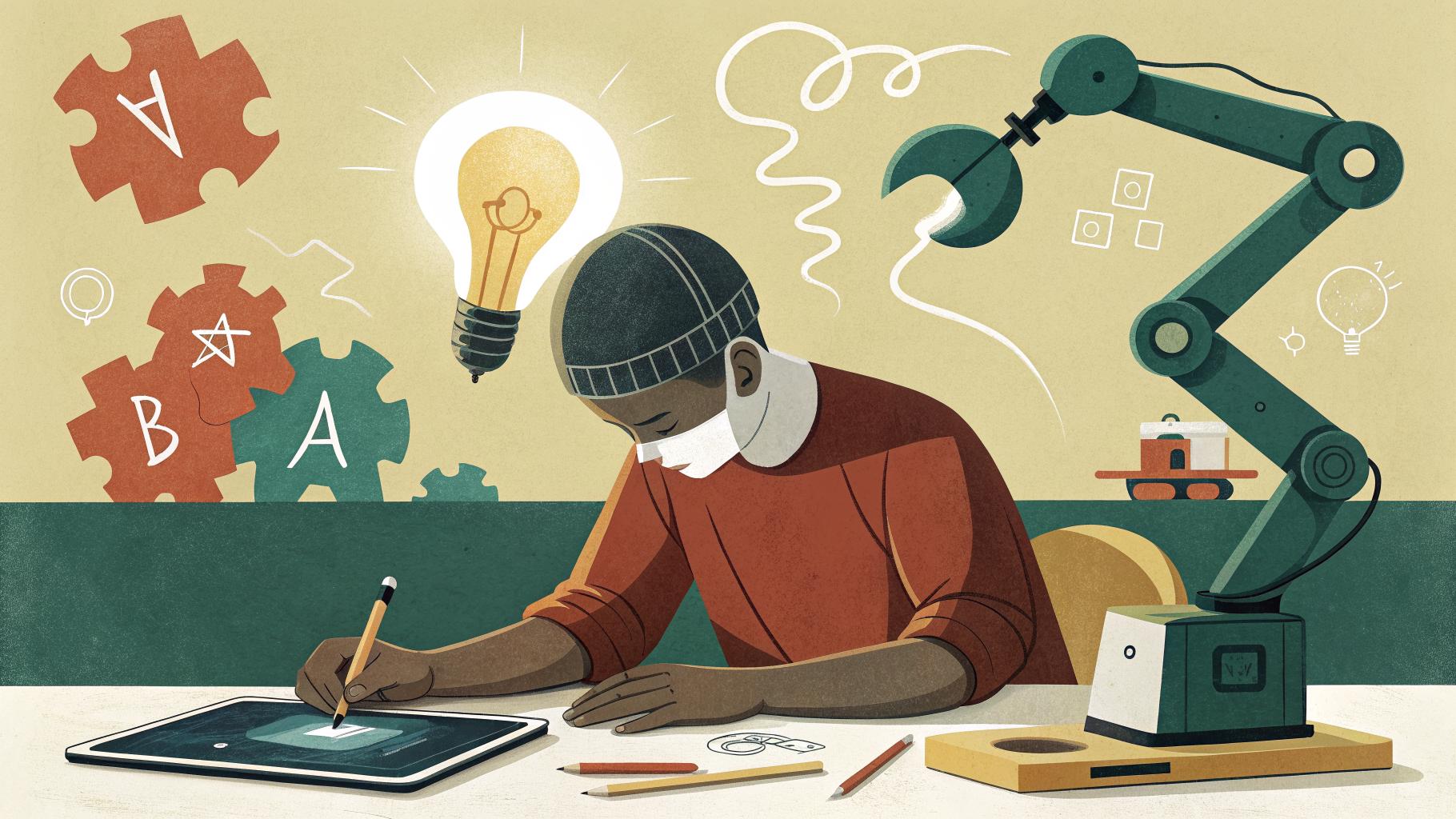
A student solving a puzzle with a pencil while a robotic arm and tablet offer a ready-made lightbulb.
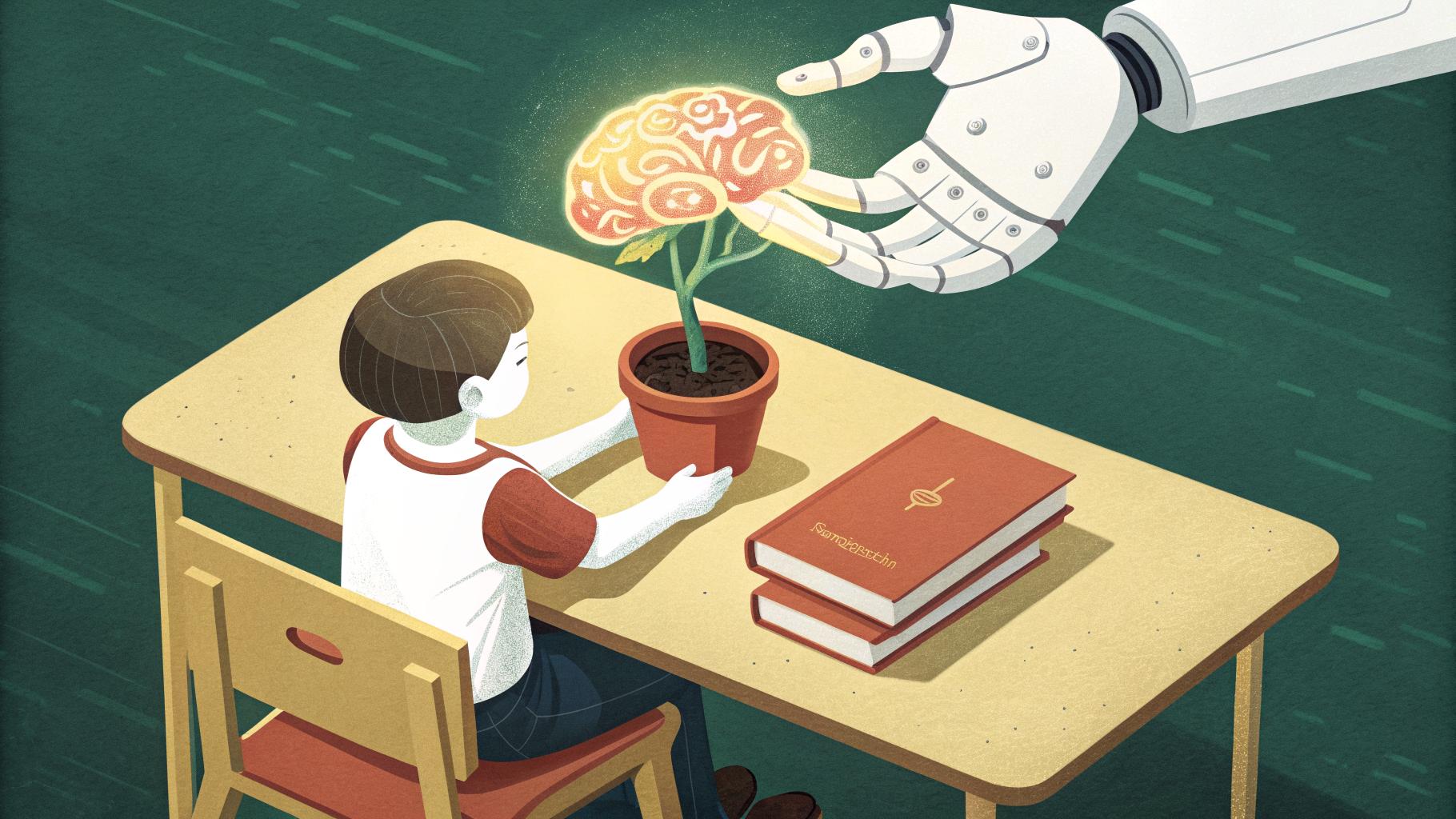
Illustration: Human Learning Review, made with AI. It does not depict real people or events.
Opinion · Teaching & Learning

The student thinking we must not take away

Source: Teacher Magazine, . Summarized by Human Learning Review.

Summary

This Teacher Magazine column by Professor Martin Westwell, Chief Executive of the South Australian Department for Education, looks at 3 current debates about getting the balance right in classrooms, including explicit instruction and AI. He argues that each one comes down to a single question about who is doing the thinking.

He starts from Rob Coe's 2013 warning about poor proxies for learning. Students can be busy and productive without learning what was intended, and Coe's simple formulation is that learning happens when people have to think hard, provided they're thinking about the right thing. Cognitive load theory explains why hard thinking differs from unproductive struggle. Working memory is limited with unfamiliar material, so a novice asked to discover a principle may spend effort searching for an approach and working out what matters. Westwell sees this as a strong case for explicit instruction early on, through clear explanations and guided practice. He warns, though, that a teacher who explains 6 maths problems while students copy each step may be making every decision, leaving students attentive but doing little thinking. He sketches 4 classroom situations, with low unnecessary load and hard thinking as the sweet spot, and treats them as broad tendencies.

On technology, he notes that enjoyable digital tasks can put most of the effort into operating software or earning points, though a good simulation or instant feedback can help. He cites UNESCO's 2023 finding that technology may raise engagement without improving learning. Drawing on Lodge and Loble, he says offloading work to a calculator is sensible, but asking AI to build an argument before attempting it may leave understanding unchanged, and he points to Bastani et al. and the OECD for evidence of harm.

He concludes that AI use should be designed around learning, with teachers able to say which cognitive work the tool does and which the student must still do. Guidance should ease as knowledge grows, so students take on more of their own judgement.
Main points

  • Westwell argues that current classroom debates, from explicit instruction to AI, turn on one question about who is doing the thinking.
  • Drawing on Rob Coe, he argues that busy, engaged students may still not be learning, since learning depends on thinking hard about the right thing.
  • He backs explicit instruction for novices because discovery tasks can overload working memory, but warns that a teacher making every decision can leave attentive students doing little thinking.
  • Citing Lodge and Loble, he argues that offloading can help, but when AI does the thinking through which learning would happen, the product may improve while understanding stays unchanged.
  • Westwell calls for designing AI use around learning, so teachers can say which cognitive work the tool does and which the student must still do.

The editor’s perspective

Who is doing the thinking?

Martin Westwell asks it in his Teacher column, and I like that he aims it at explicit instruction as well as at AI. Those usually get argued in separate rooms.

He wants the hard thinking "happening in the right place," which hands the adult a job.

The issue is placement. Every lesson moves effort somewhere, and somebody decides where.

There's a fair case for taking plenty of thinking off students. A clear worked example saves them from flailing, and nobody learns much while lost.

It's like paying someone to do the grocery run and then wondering why you don't know what's in the fridge.

This week, pick one lesson, find the minute where the hardest thinking happens, and write down whose head it's in.

This page is a short summary. The full piece belongs to Teacher Magazine.

Read the original at Teacher Magazine
A little room for reflection

A more considered
view of education.

Ideas worth sitting with. Practical questions worth asking. Human Learning Review, in your inbox.

The student thinking we must not take away: summary and main points | Human Learning Review